Rapid · scalable · mission-ready
PTE modular turbine power
Containerized generation designed for fast deployment, flexible scaling and dependable onsite power.
Technology portfolio
Reliable, scalable energy for critical infrastructure, communities, industry and the evolving grid — beyond solar, beyond batteries.
Generation. Storage. Thermal energy. Intelligent integration.
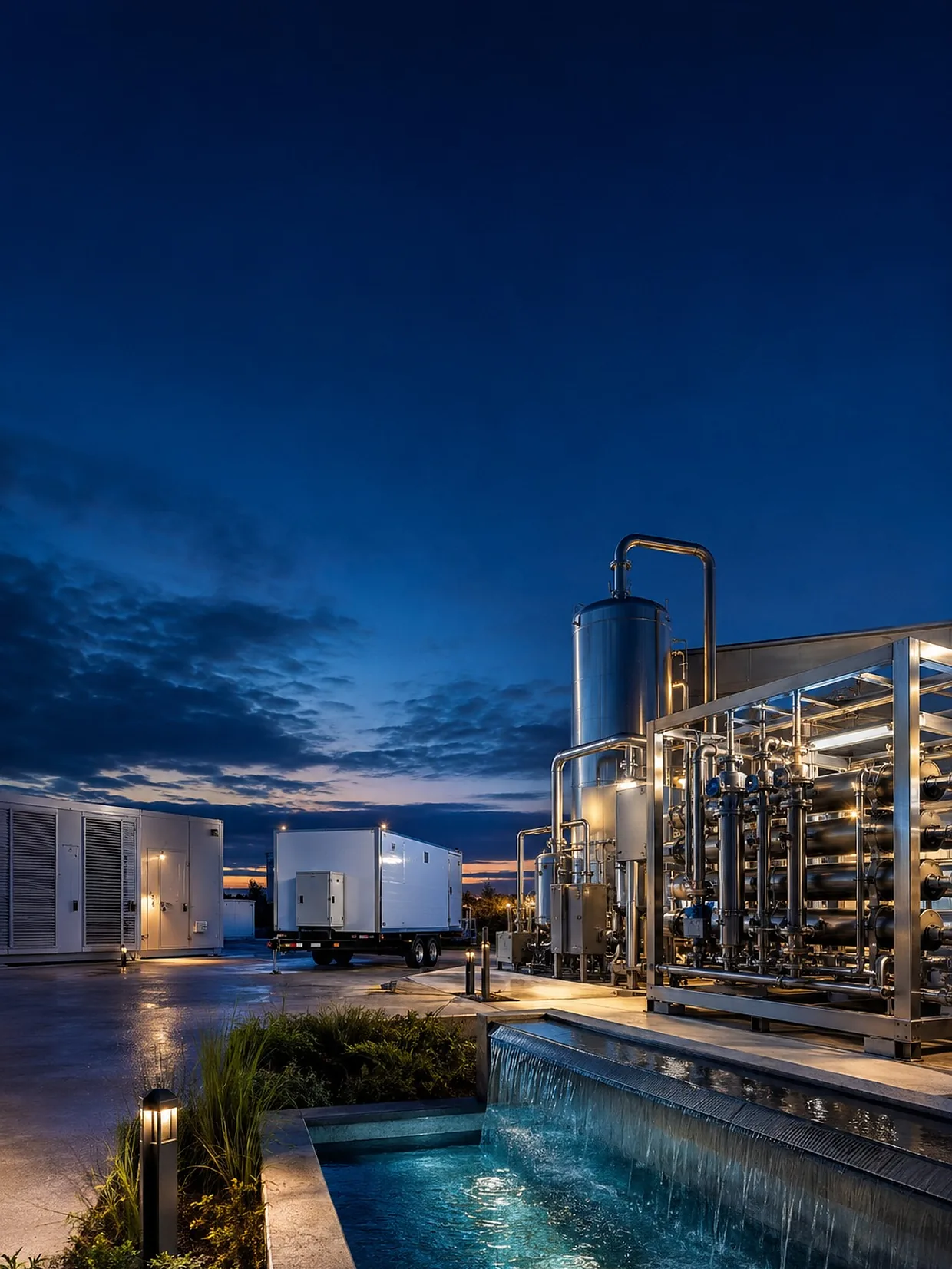
A diversified energy platform
NASG evaluates each application and integrates the right energy solution around performance, resilience and lifecycle value.
Rapid · scalable · mission-ready
Containerized generation designed for fast deployment, flexible scaling and dependable onsite power.
Capture · store · dispatch
Dispatchable thermal energy designed to extend clean energy availability beyond daylight hours.
Transportable power + useful heat
Containerized generation, storage, controls and thermal recovery for rapid response and infrastructure-constrained locations.
Point-of-use distributed generation
Compact solid oxide fuel cell technology that converts natural gas into electricity and useful thermal energy at the grid edge.
Energy applications
NASG combines generation, storage, thermal recovery, controls and advisory services to support each operating mission. One portfolio. Multiple configurations. A solution built around your priorities.
Continuous, scalable power
Support high-density digital loads, rapid growth and mission-critical uptime requirements.
Dependable onsite capacity
Strengthen energy reliability, manage demand, and support process and thermal requirements.
Local, resilient energy
Enable essential services where grid access is limited, costly, unreliable or unavailable.
Rapid-deployable continuity
Restore power and useful heat for shelters, command centers, recovery sites and responders.
An integrated energy architecture
Grid-connected, off-grid or hybrid — the configuration follows the load, not the catalogue.
Energy inputs
Available fuels, thermal resources and grid conditions.
Generation
Modular, distributed or application-specific production.
Storage & thermal
Energy shifting, useful heat and operational flexibility.
Controls & critical loads
Intelligent coordination, monitoring, power quality and mission delivery.
Portable Turbine Energy
PTE pairs an aviation-derived turbofan gas generator with a synchronous alternator and ships the plant as two standard ISO containers — a power core and a controls module. It runs islanded, so no interconnection queue stands between a site and its first megawatt.
Deployed forData centersDisaster zonesMilitary campsGrid solutionsPortsDigital hubs
Indicative specifications. Final configuration is set at site level against ambient conditions, fuel supply and emissions permitting. The system architecture is protected under U.S. Patent 9,920,648 B2. A prototype turbofan generator was built and run at PTE’s Seneca, South Carolina facility, logging 1,284 run hours on the test stand; the commercial product ships in the 20 MW, two-container configuration described here.
Fuel and emissions
Fuel flexibility is what makes a turbine practical at a site the pipeline has not reached yet, and what keeps it running when one supply route fails.
Emissions figures are indicative and depend on final combustor and aftertreatment selection. Engine test runs at PTE’s Seneca facility have additionally exercised methane, hydrogen–natural gas blends, biogas, syngas, flare gas, No. 2 fuel oil, diesel and jet fuel.
From order to first power
Air permitting runs alongside the pad and fuel works rather than after them, which is what keeps the programme inside a year.
Load study and fuel supply plan.
Concrete pad, fuel tie-in and cable route.
Units delivered by road and set on the pad.
Protection, paralleling and load bank test.
Load in the hall.
| Time to energize | Route | Typical duration |
|---|---|---|
| PTE 20 MW unit | Factory-built, set on a pad | 36 weeks |
| Recip gas plant | Site-built, multiple engines | 12–18 months |
| Grid infrastructure build-out | Utility study, upgrade and substation | 5–7 years |
What the site provides
What PTE delivers
Air permitting runs 8 to 16 weeks depending on jurisdiction. Once mobilised, installation of a mobile configuration completes in under 24 hours; the 36-week figure above is order to first power, including civil works and permitting.
Flux fuel cells
Flux converts utility natural gas into electricity electrochemically — no combustion, and no fuel delivery to fail during a storm. Buried gas lines stay up when overhead power lines come down, which is what makes the fuel choice the product’s central argument.
Compact appliance for a home or small site
A 2 ft wide by 2 ft deep by 5 ft tall unit, wall- or garage-mounted, that ties into the building’s breaker panel through a hybrid inverter and battery. Waste heat can feed the hot water heater.
Containerized power for large sites and emergencies
A single 20 ft container, trailer- or pad-mounted and delivered on a flatbed to the impact site. Pairs with atmospheric water generators, so one trailer can deliver both electricity and drinking water.
A 3 kW variant for remote communications
A smaller configuration for telecom towers and remote communications sites that need continuous, low-maintenance power where no operator visits for months at a time.
The fuel already serving the building.
Electrochemical conversion — no combustion, and quiet.
Conditioning and ride-through.
The building’s own distribution.
The whole building runs, grid or no grid.
Primary duty
Flux can serve as a site’s primary power source rather than an asset that only earns its keep during an outage.
No deliveries
No fuel trucks, no dependence on sun or wind, and no hydrogen supply chain to organise.
Utility alignment
Each unit removes load from the electric grid, which aligns Flux with utility non-pipes and load-management goals.
Appliance or container
Flux Home installs like an appliance; Flux Ember ships in one 20 ft container on a flatbed.
One trailer
Paired with atmospheric water generators, a single mobile unit delivers electricity and drinking water to the same site.
Subscriber programme
The subscriber model grows gas throughput while offering customers a premium resilience product.
Flux is delivered through targeted programmes — gas utility subscriber, First Nation access, high-rise building, forecourt retail, telecom and mobile emergency water and power. Rated electrical output, efficiency, installed cost, warranty terms and UL/CSA certification are confirmed per configuration during specification.
The integrated platform
NASG coordinates this capability with the other six — and with the strategy, partners and delivery disciplines that carry a program from decision to operation.
Energy solutions built around the application
NASG professional services
Assessment · solution architecture · partner coordination · implementation support · optimization
One partner · Connected solutions · Enduring impact
Whether the opportunity is a single facility, a critical infrastructure upgrade, or a multi-market program, NASG can help shape the pathway forward.